The Kosovo War
Introduction
The Kosovo War was an armed conflict that began on February 28th, 1998 and ended on June 11th, 1999. Serbian nationalism caused many civilians to seek refuge elsewhere. The conflict was resolved with the intervention of The North Atlantic Treaty Organization. Law, order, and stability were restored at a heavy cost.
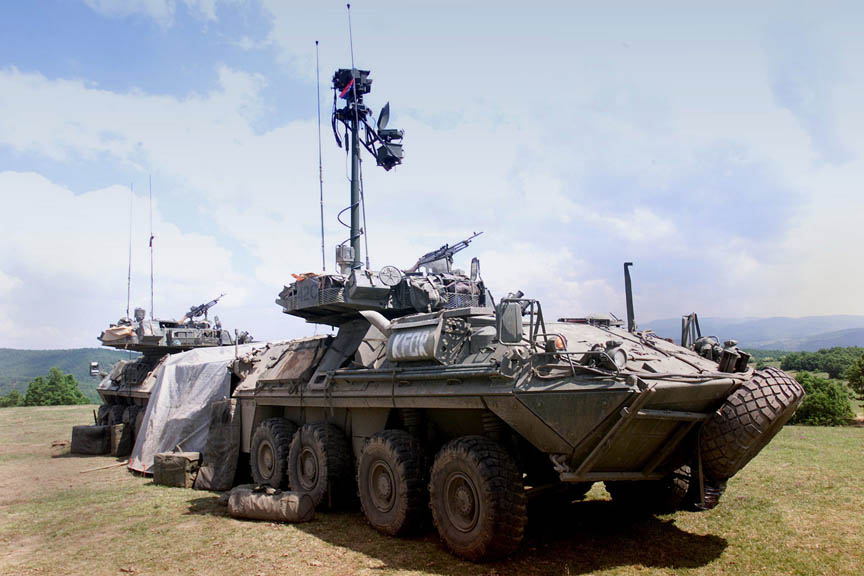
Figure 1-1 Tanks like the Coyote Reconnaissance Vehicle were used during the Kosovo War. They are light armoured cars built by General Dynamics Land Systems Canada for the Canadian Forces.
Gathering Information What features can you see that may have been important to the operators of this vehicle? What terrains and climate conditions could this tank be used on?
A Divided Country
Slobodan Milosevic, the former president of the Federal Republic of Yugoslavia, rejected Kosovar Albanians by implementing Serbian nationalist policies. Around 1.2 million to 1.45 million Kosovar Albanians were persecuted, which was around 90% of Kosovo’s population. Ibrahim Rugova, the leader of the Democratic League of Kosovo established the Kosovo Liberation Army in the early 1990s to rebel against the Serbian persecution of Kosovar Albanians. The Democratic League of Kosovo provided Kosovar Albanians with basic government and social services. Following numerous raids on Serbian governmental assets and army posts, the KLA attacked Yugoslav authorities. This resulted in Serbian forces pursuing KLA supporters and political opponents in a campaign of retribution. 1,500 to 2,000 civilians and KLA combatants died in the campaign. The war soon caught NATO’s attention, resulting in the aerial bombing on Yugoslavia. Yugoslav troops were forced to withdraw from Kosovo. The United Nations Security Council criticized the bombing, as over 488 Yugoslav civilians and Kosovar refugees were killed in the bombing.
Operation Echo
Operation Echo was the codename for the Canadian Armed Force’s air activities in the Kosovo War. To support the Stabilization Force and Kosovo Force, Canada sent 6 CF-18 Hornet fighter aircrafts and 125 air personnel to an airbase in Aviano, Italy, in preparation for the 79-day air campaign over the Balkan region. The CAF flew 684 sorties and dropped nearly 250 tons of free-fall bombs and guided bombs within 224 missions. Although Operation Echo comprised of less than 2% of the total Allied forces involved within the air campaign, they participated in 10% of all the bombing missions. Despite being out of practice since the Korean War, Canada reigned victorious with only five air personnel casualties.
Operation Kinetic
Following the NATO air campaigns, NATO’s Allied Rapid Reaction Corps requested the participation of Canadian troops for a peacekeeping mission in Macedonia. A month later, 800 Canadian troops landed in Macedonia–joining the 4th Armoured Brigade under the codename Operation Kinetic. As agreed in the Military Technical Treaty, the Serbian security forces withdrew from Kosovo as the KFOR entered the country. The success of the Serbian withdrawal established the KFOR in Kosovo. The deployed troops enforced the cease-fire, providing civilians with security, helping the lost get home safely, assisting international and non-governmental organizations, and carrying out humanitarian aid operations with the $750,000 invested in the Canadian International Development Agency funding. Soldiers from the 1st Battalion, Princess Patricia’s Canadian Light Infantry, and tanks from the Strathconas were formed into an infantry battle group. After the initial deployment, 500 additional troops were sent to the Canadian contingent, totaling 1,400 personnel. The rotation of troops took occurred twice. All military personnel withdrew from Kosovo by the end of June 2000.
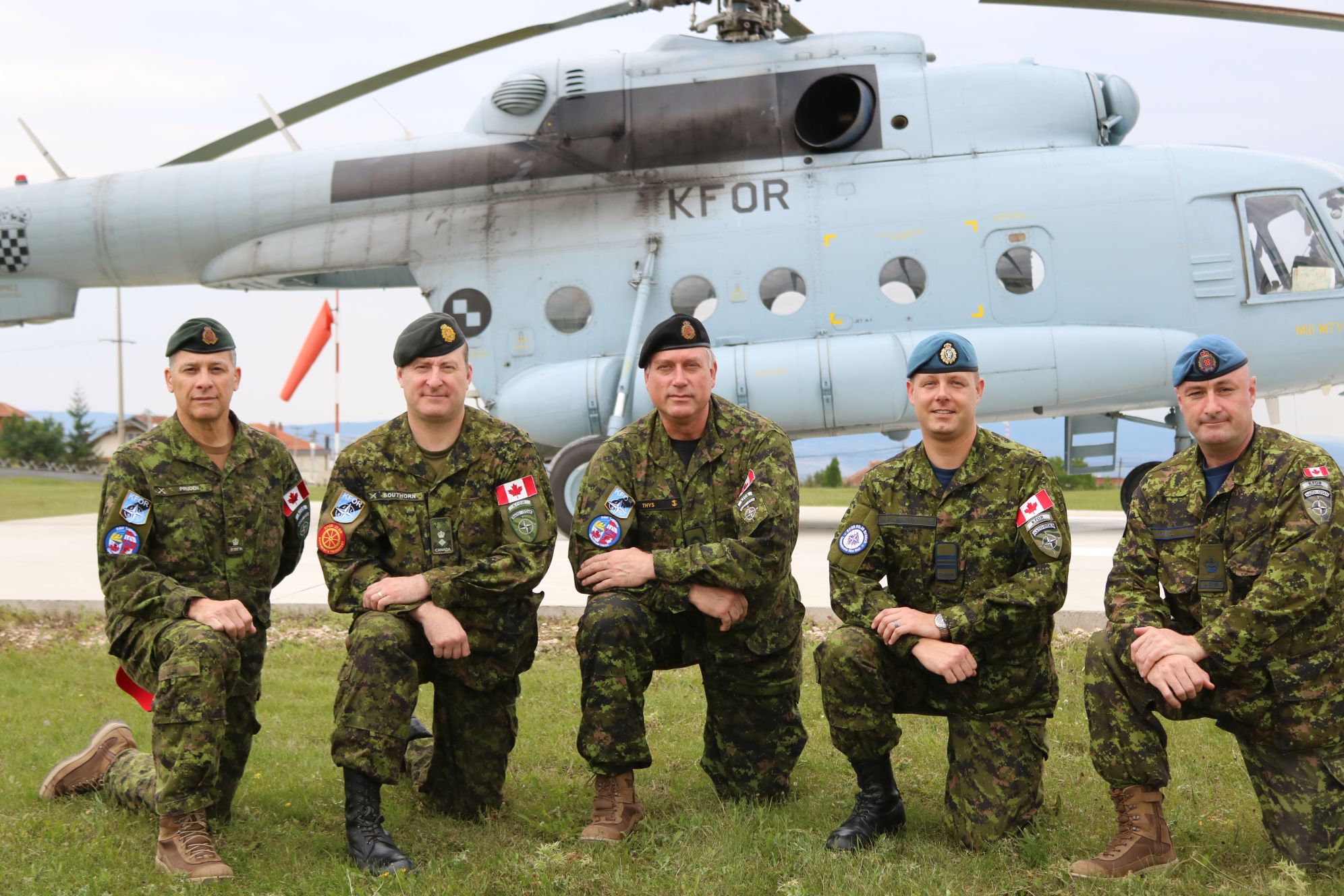
Figure 1-2 The Operation KOBOLD Task Force in 2018.
CAF members deployed on OP KOBOLD provide logistics and headquarters support for movement and transport of physical assets, information security, and border/customs officer duties.
The Outcome
The Military Technical Agreement, or the Kumanovo Treaty, was signed on June 9, 1999 in Kumanovo, Macedonia. The agreement concluded the Kosovo War and established relations between Yugoslavia and KFOR. Over 13,500 people were pronounced missing during the conflict. Two hundred thousand Serbs, Romani, and other non-Albanians fled Kosovo after the war. Those who remained were subjects of abuse. The KLA disbanded after the war.
Activities
- Was the NATO aerial bombing on the Balkan region justified? Explain.
- Was the KLA wrong for retaliating against Serbian persecution?
- Why were Kosovar Albanians persecuted even though Kosovar Albanians were run under a separate government?
- Do you think that the Kosovo War would have turned out better without NATO's intervention? Why?